Sivas5 min walk
Pezoula
On the road between our place and the village, a short uphill climb to arrive at the tables. The closest taverna to the house and a lovely one.
This is Antigoni's family's valley. We are back several times a year, and these are the places we go, not a list copied off a review site. Everything below is on the map, sorted by how far it is from the house. All the drive times are measured from our door.
The house is the green pin. Tap any pin to jump to its entry, or use the filters to narrow the list.
44 places
On the road between our place and the village, a short uphill climb to arrive at the tables. The closest taverna to the house and a lovely one.
In the village, and easier to find than the map pin suggests: it is on the street rather than tucked down the little alley the pin points into. More →
The larger of the two shops in the village, and enough for bread, coffee, wine and whatever you have run out of. There is a second, smaller one further up, across from Sigelakis, which is closer to us and fine for the basics.
On your left as you walk along the street through the centre of the village. A Sivas institution.
The one to go to on the plaza in the centre of the village. Notice where the people are sitting.
A larger village store for everything you forgot, usefully open on Sundays.
The one to choose if you want to eat outside. It sits on the edge of the village looking out over the valley that runs down toward the coast. Not a sea view, but a lovely place to be at the end of the day.
The lanes in the village are narrow and you do not want to be in them in a rental car. Park at the top of the village by the old water trough, which Google has labelled in German as Wasserstelle, and walk down. It takes two or three minutes.
A lovely, high-level restaurant in Pitsidia, the village you drive through on the way to Matala and Kommos, and worth a wander in its own right. Fair warning: the mosquitos like it there too, so come prepared.
A few steps from Kentrikon and just as good, in the same style. If one of them is full, walk to the other.
German-run breakfast and lunch spot, a good mid-morning landing after an early beach swim.
The small church on the road above Kommos, and a useful thing to know about before you set off. Kommos is long, and if you come down at the wrong point you can find yourself fifteen minutes' walk up the sand from Bunga Bunga and the tavernas at the south end. Aim for the church and you will get your bearings. More →
The beach bar on Kommos, and the stretch of sand we usually walk over to. It opens at noon and does great beach food and cocktails. This is the pin to drive to if you want the good end of the beach.
The most convenient big-shop stop, on the right just before entering Moires. Do your arrival shop here.
Our favourite. Long, sandy, and never really full. We usually walk over to the stretch in front of the Bunga Bunga beach bar, which opens at noon and does great beach food and cocktails. Kommos is also an archaeological site: the ruins of a Minoan harbour town sit right behind the sand. More →
Famous for the ancient carved caves in its lovely rock face, and for the hippies who lived in them in the sixties. A proper beach town: swim, wander the caves, then eat and drink looking over the bay.
From Matala you walk over the headland to Red Beach. More secluded, more wild, and worth doing. Guests come back pleased they went and honest about the effort: it is twenty to forty minutes each way, the climb out of Matala is steep, and the path is loose rock rather than a made-up track. Not a stroll. Proper shoes, water, and not in the middle of the afternoon in August. More →
The upscale one in Matala, and a good place for a proper meal looking out over the bay and the cave wall.
The weekly market in Moires, and worth planning a Saturday morning around. Half of it is local produce and handmade things, and half of it is cheap imported plastic, so you have to pick your way through. Good for souvenirs, a coffee, and lunch afterwards in one of the restaurants in town.
A genuinely beautiful village a quarter of an hour north of us, with restored stone houses and a square worth sitting in. It is also home to the Museum of Cretan Ethnology, which is small, on two floors, and better than its size suggests: everyday Cretan life laid out by theme, from food and weaving to transport and social organisation. An hour is about right. It won the European Museum of the Year award in 1992. More →
On the headland above Kommos, and a good place to be at sunset. Two ways to use it. Park outside and walk to the cliff edge for a view west along the south coast, being careful, because there are no guardrails and it is a long way down. Or go in and have a wine or a meal as the sun goes down. There is a parking area for the restaurant. More →
Protected from waves, though not from wind, and shallow for many metres going out, which makes it good for small children. Locals come in the evening but it rarely gets crowded. A few tavernas line the beach.
One of the great archaeological sites of Crete, on the ridge you can see across the valley from the pool, and far quieter than Knossos. Second in size and importance among the Minoan palaces, spectacularly sited with the Psiloritis mountains behind, which is the same view you have from the house, reversed. More →
We see mostly locals here. Ask them what is good that day and order that.
A short drive beyond Phaistos, the smaller Minoan site of Agia Triada is a quiet counterpart, and many visitors find its intimacy the more affecting of the two. The two sites pair naturally into one relaxed archaeological morning, with a beach afternoon to follow.
A gorge that opens onto a small beach with no road to it, walled in by cliffs. It is well worth doing, and it comes with a genuine complication. More →
Opened in 2023 at the western edge of the Gortyna site, and it is very good. The finds from Phaistos, from Gortyna and from the old tombs of the western Messara are all here, laid out in order from prehistory through to the early Christian centuries. If anyone in the group is interested in the archaeology, come here before you walk around the ruins and everything makes more sense afterwards. It is also indoors and cool, which makes it a good thing to do on a hot afternoon. More →
Ancient Gortyna was the capital of Roman Crete and the site is enormous, the largest archaeological site on the island. The part you can walk into holds the Odeon and the Gortyn Law Code, the oldest surviving European law code, carved into the stone in the fifth century BC. There is almost no shade, so go early or late in summer. More →
Up in the foothills north of the valley. This is a working village rather than a village arranged for visitors, which is the point of going. There is a small folk museum with farm tools, household things and the ordinary contents of a Cretan house from the nineteenth and early twentieth centuries. More →
West along the coast, and busier than the beaches near us: a harbour, steep lanes and a lot of tavernas. Worth an evening. We do not know it as well as the places above, so ask us before you go and we will find out where to sit.
Beside the lake above Zaros, serving trout raised in the tanks next door. Shade, running water and a table under the plane trees, which on a hot day is the whole point of driving up.
Zaros is the water village: it is the name on half the water bottles in Crete, bottled from the springs here. Above the village there is a small lake ringed with plane trees, with a restaurant beside it that serves trout raised in the tanks next door. You can walk around the water in fifteen minutes, and from the same spot a path heads up into the Rouvas gorge, which is a serious walk if you want one and a pleasant half hour if you do not. More →
Not wild exactly, just quieter than the beaches nearer us. A stretch of sand, a taverna to sit in when you have had enough sun, and a small dock to jump off. This is the classic version of a Cretan beach day: arrive, settle, swim, eat, swim again.
In the village his family came from, east of the road to Heraklion. Worth it if you have read him, less so if you have not.
The Phaistos Disc is here, along with the Minoan frescoes and the great mass of what has come out of the ground across Crete, laid out in order. The Roman rooms connect directly to what you will have seen at Gortyna. Give it a couple of hours.
Fascinating, and it picks up exactly where the archaeological museum stops. On the ground floor there is a model of the city at the height of Venetian rule, which is worth looking at before you walk out into the old town.
A small place on the south coast where you park outside the village and then spend your time walking between your room, the beach and the taverna. That is the whole appeal, and it is why it works better as two nights than as a day trip. If you do go for the day, leave in the morning and come back in the evening. More →
Where we eat in Lentas. Manolis is the waiter and his mother the cook. You can mention you're staying at Antigoni and Emmett's, but he might bring you a third free post-meal raki instead of his normal two ;)
The lion fountain in the middle of the old town, and the place everything else in the centre is measured from.
On the seafront, and the one to take children to when they have had enough of ruins.
Kazantzakis is buried on the Martinengo bastion, which is also a way up onto the Venetian walls to look back over the city. His epitaph is carved on the stone, the famous one about hoping for nothing and fearing nothing.
A minute's walk from the fountain. The big Venetian administrative building, now the city hall, where Antigoni and I were married in a small civil ceremony.
A large waterpark east of Heraklion. It is a full day and it is a lot, but it does exactly what it says and there are holidays where that is what everybody needs.
Nothing matches those filters. and start again.
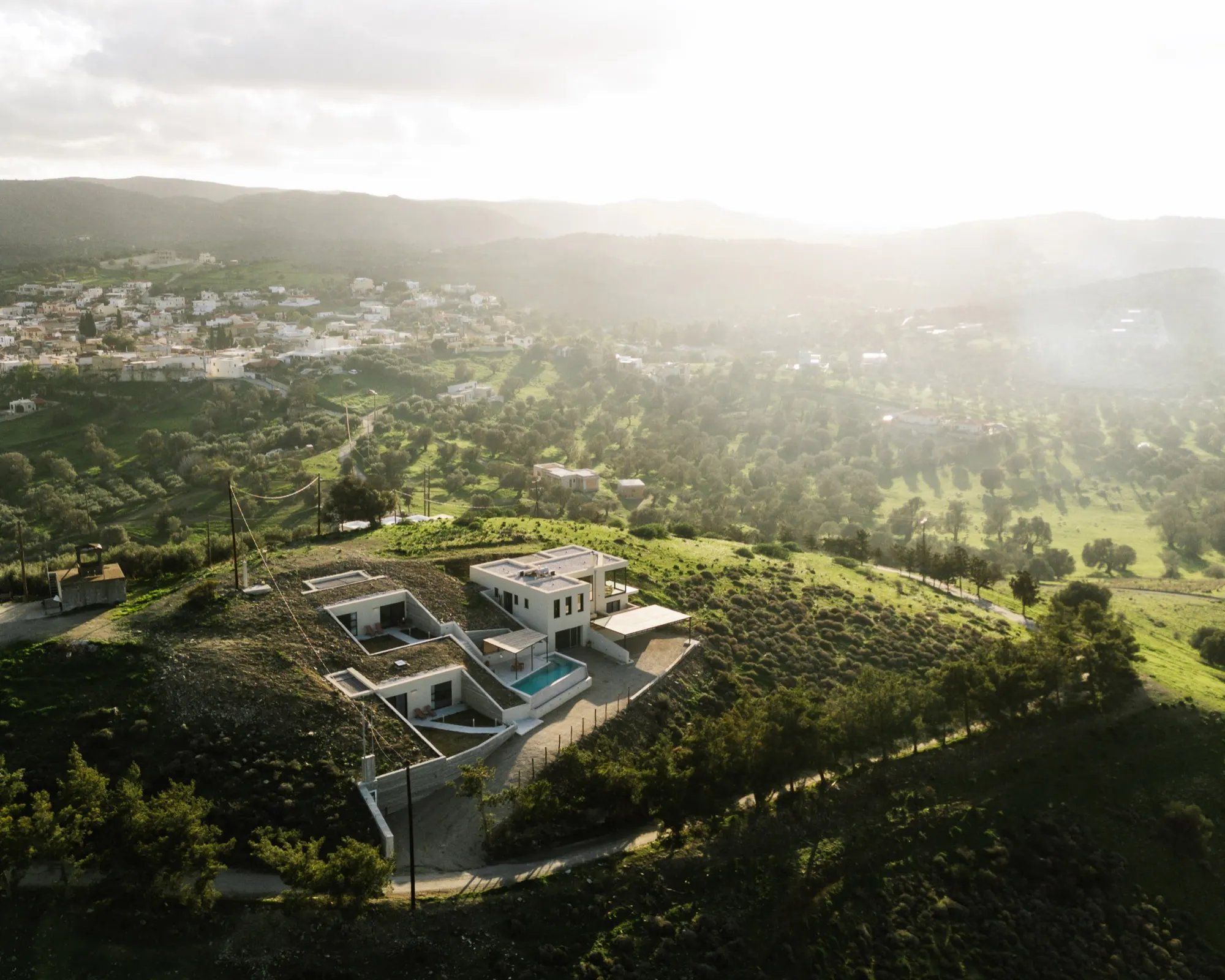
Three tavernas within walking distance, three more in Kamilari, and where to do your arrival shop.
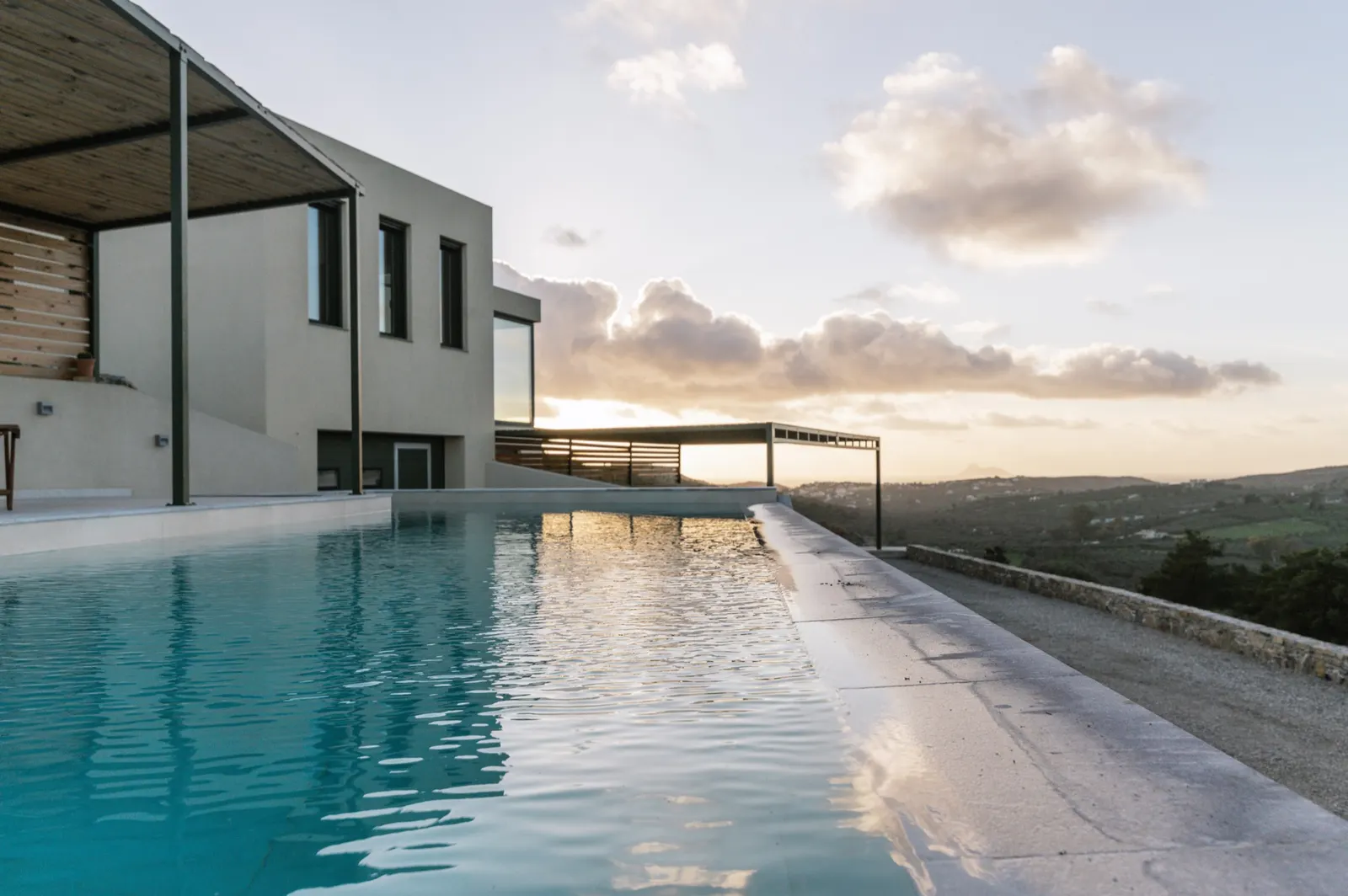
Kommos and Matala are the famous two. Then the wilder ones, from Agiofarango to Lentas.
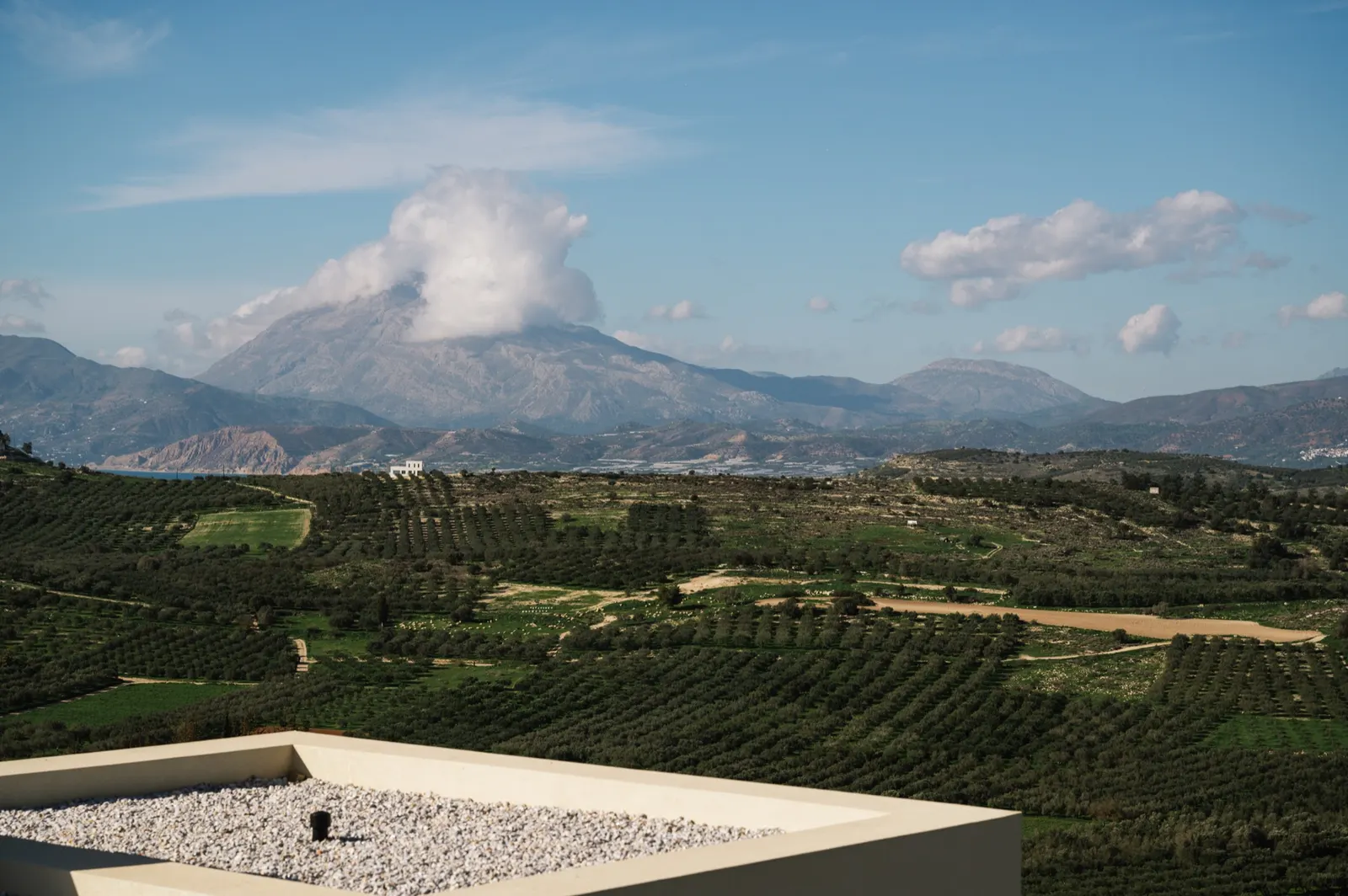
The Minoan palace in view from the house, the Roman capital half an hour east, and the museum for both.
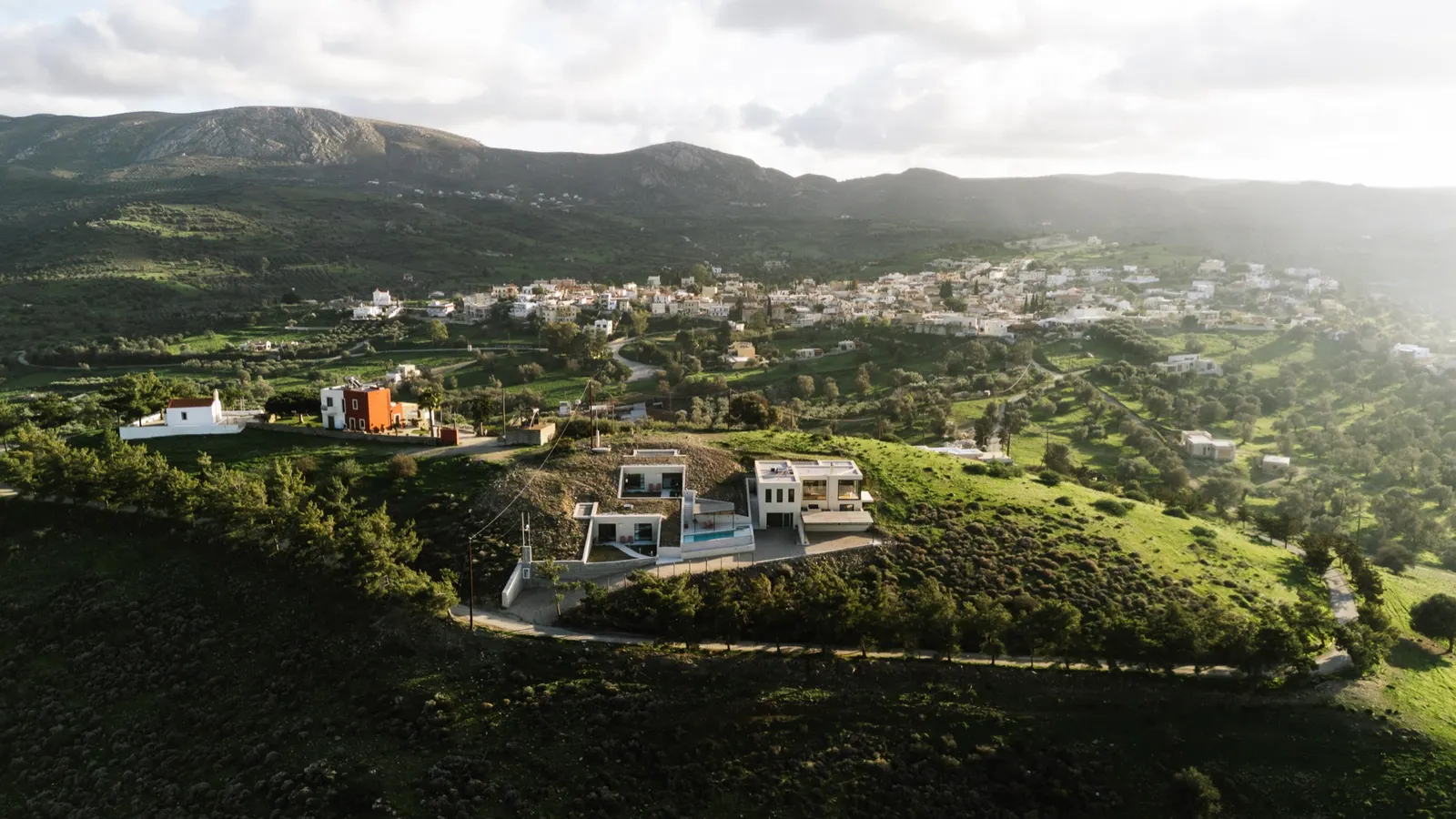
Vori and its ethnology museum, Magarikari, and the lake above Zaros for when it is too hot for ruins.
The Phaistos Disc, the Venetian old town, Kazantzakis, and an honest word about the parking.
Every stay comes with our running list of what is open and what is good at that time of year, because it changes with the season. If you are weighing up whether this corner of Crete suits you, write to us and ask.